Textile Embellishments
THINK · KNOW IT AND EXPLAIN IT IN YOUR OWN WORDS
NSW Secondary Textiles (Stage 4–6) · Status: Working knowledge-base reference · Date: 8 October 2026
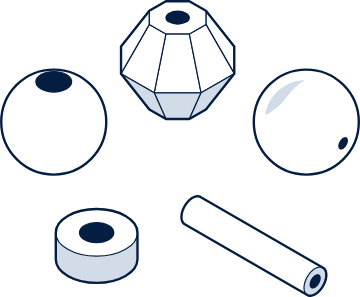
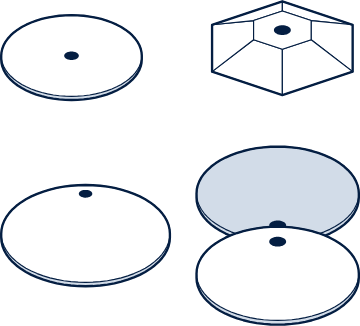
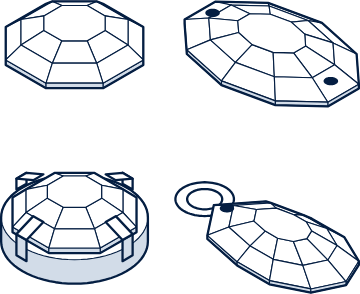
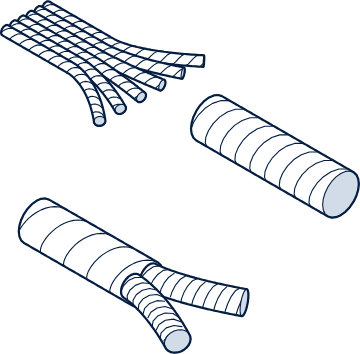
Choose an embellishment type, then a style, to see its graphic, description, characteristics and features with their options, colours and where to buy.
HOW THE FRAMEWORK WORKS
- Tier 1 = CATEGORY (nine families). Tier 2 = TYPE (48 groups). Tier 3 = SUBTYPE, used only for established, meaningfully distinct product groups.
- CHARACTERISTICS describe appearance/aesthetic qualities. FEATURES describe composition, construction, attachment, function and performance.
- Attach Characteristics and Features to the lowest applicable tier: Tier 3 when defined; otherwise Tier 2.
- In tables, each attribute has its own row, its label is BOLD UPPERCASE, and each possible value occupies its own cell. Do not label these columns ‘Variation 1’, etc.
- The matrix values are possible descriptors, not an assertion that all combinations exist or that every supplier stocks them.
- Supplier descriptions and trade names may be added as searchable aliases; a supplier’s menu label does not automatically create a new tier.
- Continuous embellishments purchased by length belong in Decorative Trims; discrete motifs and individual components belong to their relevant families.
- Both ready-made and student-made dimensional embellishments are in scope. Record production source and techniques as features.
- Students should verify fibre/material, attachment instructions, compatibility, care instructions, WHS and sourcing on individual products.
NOTES
- Rocaille, cylinder and Charlotte are recognised seed-bead names; Miyuki Delica is a proprietary line of cylinder beads.
- Paillettes/spangles can be synonyms for sequins, so treat these as practical commercial groupings, not biologically or technically exclusive types.
- Crewel wool commonly has a plied structure; thread structure, twist and ply are related and occasionally overlapping descriptors.
- Guipure, Chantilly and Cluny are lace constructions or trade styles, whereas edging, insertion and galloon are purchased trim forms.
- Foil, fabric paint, flock, heat-transfer film and printing media are outside this primarily component-based taxonomy and may form a future Surface Decoration Materials section.
- This teaching taxonomy is a curriculum-aligned working model, not text quoted from or formally endorsed by NESA.

